How Often Should You Schedule Septic Pumping in Boulder, CO?
Regular septic tank pumping is one of the most important maintenance tasks a Boulder County homeowner can do. This guide covers how often it should happen, why Colorado's climate matters, and what to watch for before problems start.
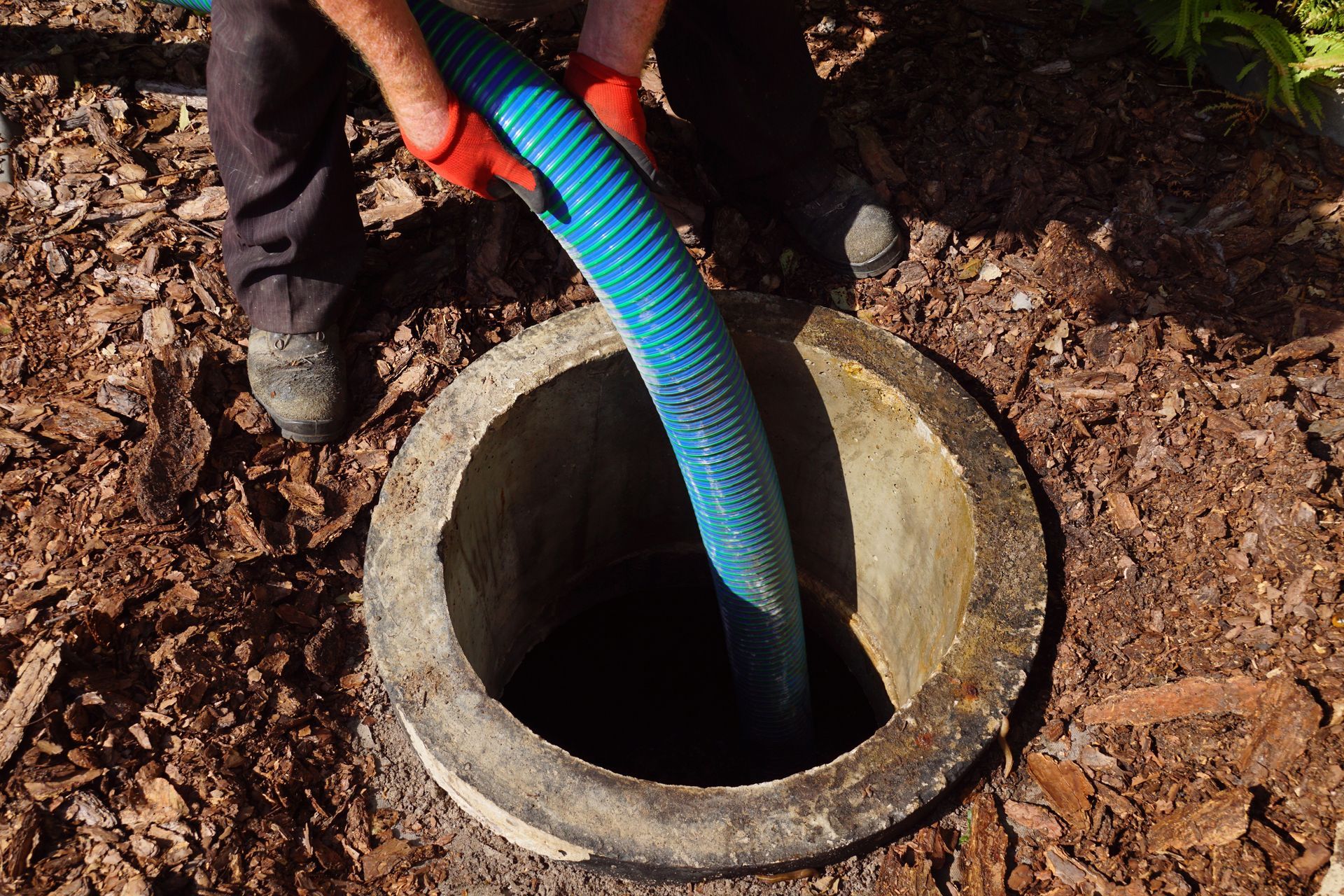
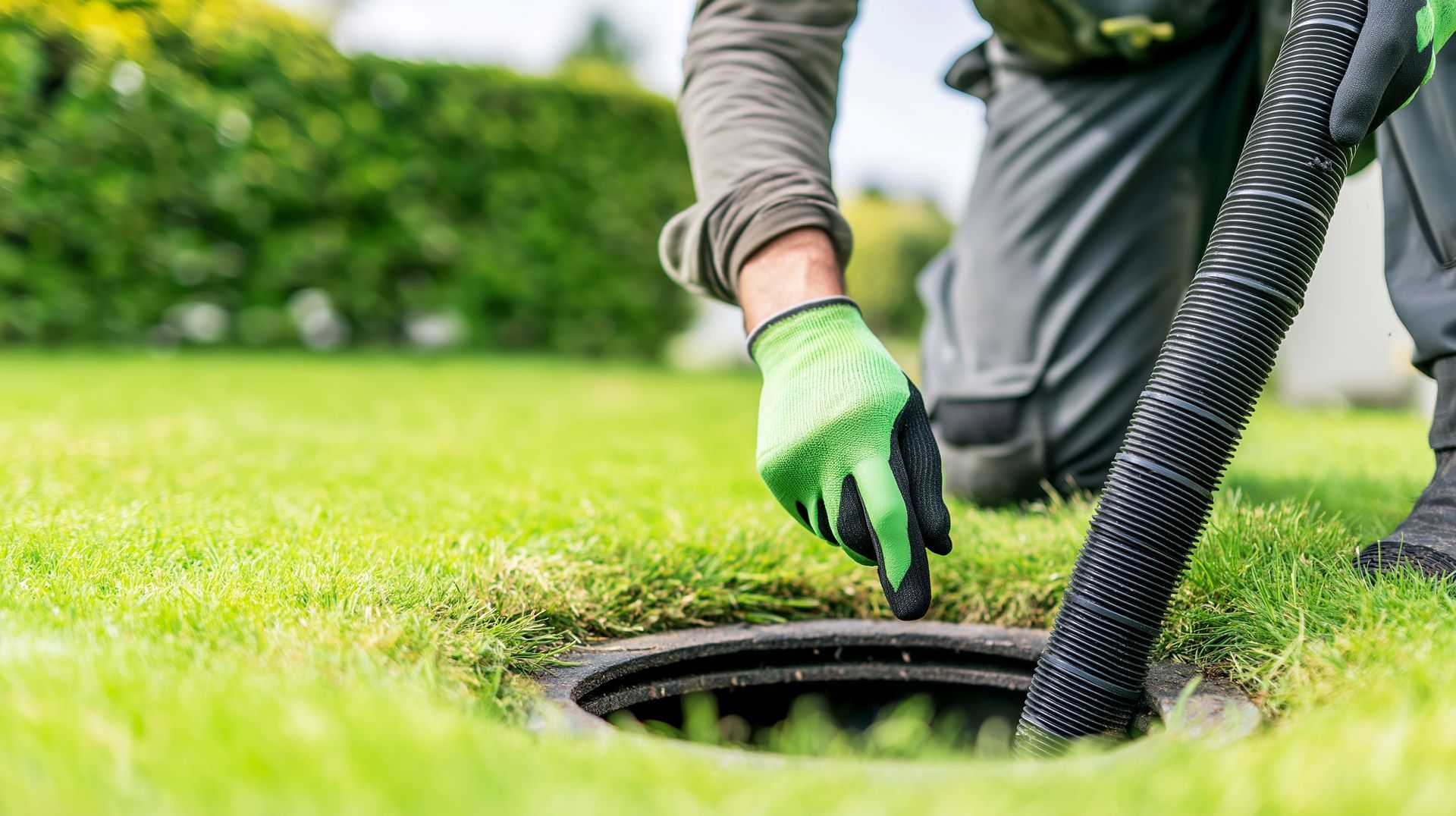
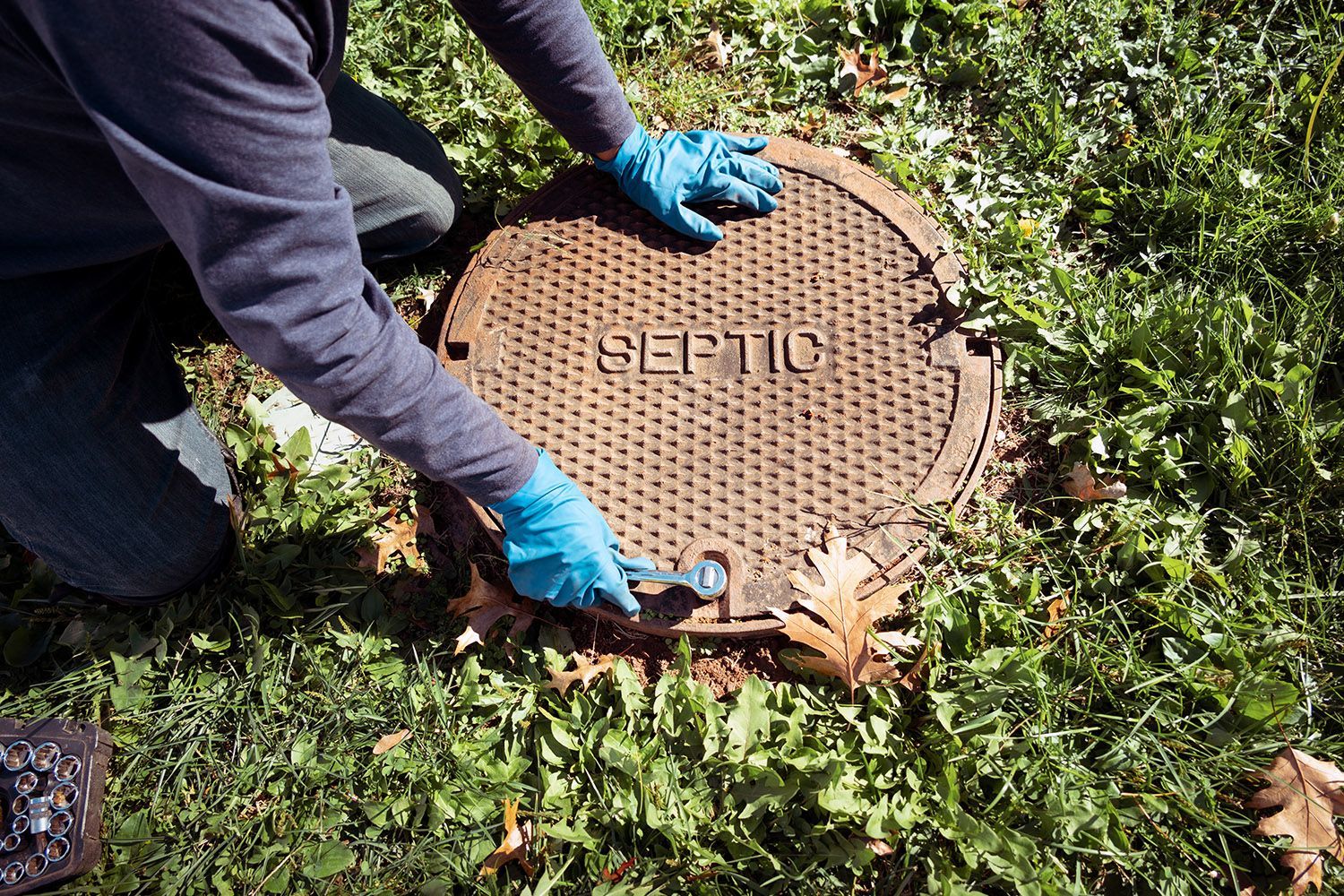
Many properties in and around Boulder, CO, rely on private septic systems rather than public sewer lines. Septic pumping in Boulder, CO, protects your household health, property value, and the county's groundwater. Septic systems are the second most frequently cited source of groundwater contamination in Boulder County, making a consistent pumping schedule a local priority.
How Often Should You Schedule Septic Pumping in Boulder County?
Most households need septic maintenance every three to five years, which aligns with Boulder County's own guidance. Your specific interval depends on household size and daily water use.
Household size is the biggest driver of frequency. A single person may safely go five years between services, while a family of four or more may need service every two to three years. Garbage disposal use and high water consumption can also shorten the interval significantly.
Why Does Colorado's Climate Affect Your Pumping Schedule?
Colorado's seasonal extremes add complexity that homeowners in warmer states do not face. Boulder sits at roughly 5,400 feet, and the surrounding foothills climb far higher.
At elevations above 8,000 feet, colder ground temperatures slow anaerobic bacterial activity inside the tank, meaning solids accumulate faster and may require pumping every two to three years. Properties in mountain neighborhoods like Gold Hill, Jamestown, or along the Peak-to-Peak Highway corridor often fall into this category, and scheduling maintenance more frequently is the safest approach.
Spring thaw is another consideration. Snowmelt can saturate soil around your drain field quickly, reducing its ability to absorb effluent. Scheduling a pumping appointment in early spring or late fall helps your system handle these transitions.
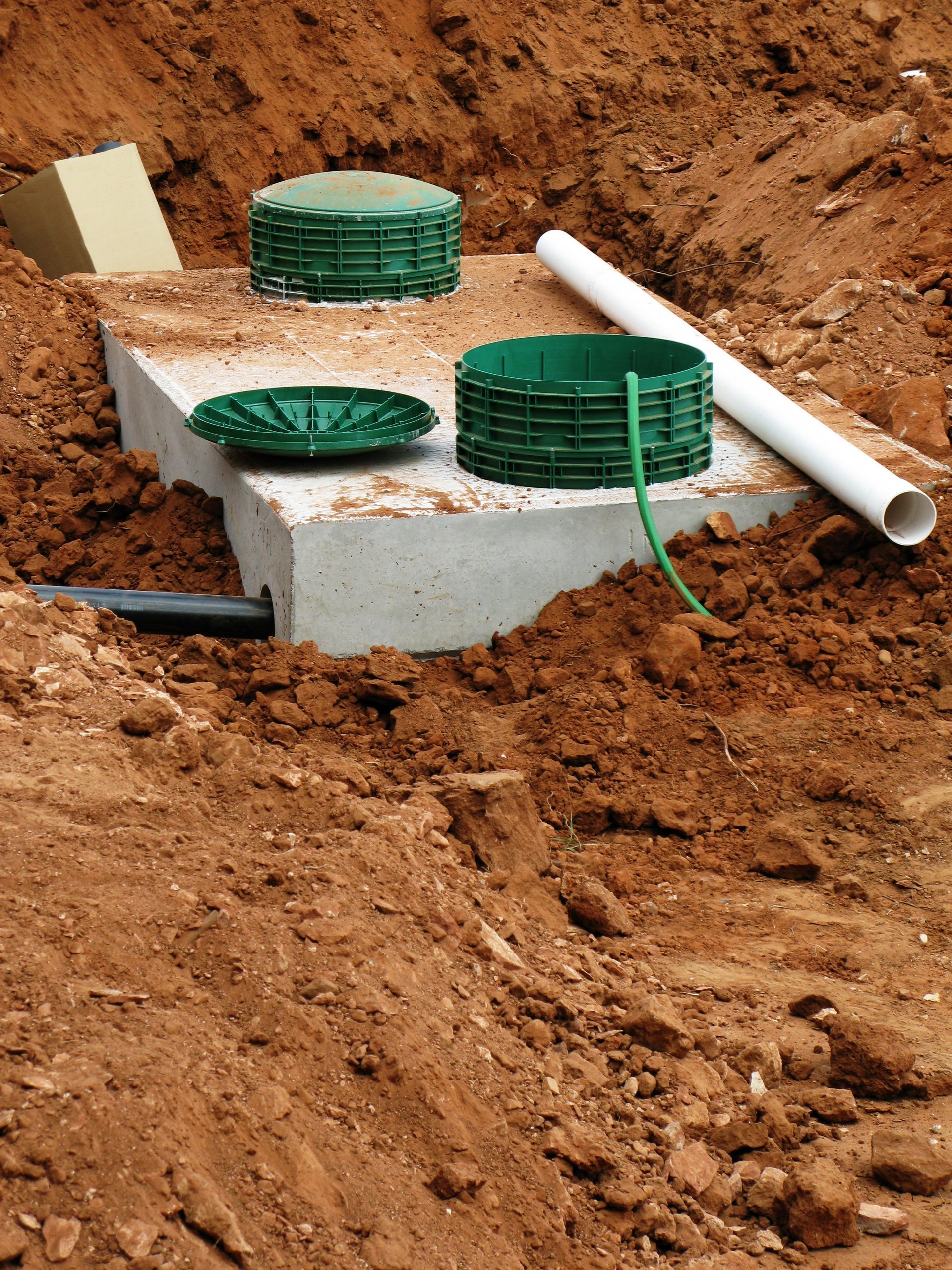
With frost lines reaching 36 to 48 inches in many parts of Colorado, septic tanks and pipes must be buried deep enough to prevent freezing, and routine maintenance should confirm that protection remains intact.
Signs Your Septic System Is Overdue for Pumping
Slow drains, gurgling pipes, and sewage odors near the drain field are early signals that your tank may be full. Standing water or unusually lush grass over the leach field can also indicate overflow.
Never ignore these signs. A neglected tank can back up waste into your home or cause drain field failure, which costs far more to address than routine pumping.
What Happens If You Skip Pumping?
When solids exceed the tank's capacity, they migrate into the drain field. Once the drain field becomes clogged with solids, the damage is often permanent, requiring full system replacement rather than a simple repair.
Boulder County requires a septic inspection at the time of property transfer. All homes must have an adequately operating and approved septic system at the time of sale, or a written agreement that the buyer will make needed repairs within one year of closing. Skipping routine tank maintenance can complicate or delay a future home sale.
Get Reliable Pumping Serving Boulder, CO
Sullivan Septic & Excavating provides septic pumping in Boulder County and the surrounding region, with decades of local experience behind every service call. The team can help you build a customized pumping schedule based on your household size and system type.
To get started, contact the team or call (303) 772-4019 to request a competitive quote. You can also learn more about Sullivan Septic & Excavating and read reviews from Boulder County neighbors.